


We use cookies to deliver the best possible experience on our website. By continuing to use this site, or closing this box, you consent to our use of cookies.

Surface
Filters
Sort by


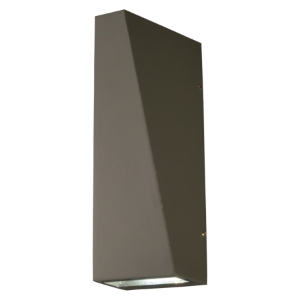
Planning Garden Lighting Around Function and Landscape
Garden lighting is the planned use of artificial illumination to support movement, reveal selected landscape features and make outdoor spaces usable after daylight. Landscape lighting applies similar principles across a broader setting, incorporating planting, architecture, circulation routes and outdoor gathering areas into a coordinated scheme.
The most effective approach begins with the purpose of each illuminated area rather than the number of fixtures required. A garden path, a mature tree and an entrance wall have different lighting requirements. Understanding these differences helps determine the appropriate fixture type, light distribution, mounting position and output.
Garden lighting generally serves several overlapping purposes:
- Functional illumination: Provides visibility along entrances, walking routes, steps and outdoor circulation areas.
- Accent lighting: Draws attention to selected trees, planting, sculptures or architectural details.
- Architectural lighting: Emphasises the form, texture or proportions of exterior walls and structural elements.
- Ambient illumination: Contributes to the overall visual character of courtyards, terraces and outdoor seating spaces.
A single lighting arrangement may serve more than one purpose. However, each fixture should have a defined role so that the finished scheme remains coherent and avoids unnecessary brightness.
How to Plan a Garden Lighting Layout
A garden lighting layout is a plan that identifies which areas require illumination, the visual features to highlight and the fixture positions needed to achieve the intended result. Planning the layout before selecting products helps avoid unsuitable mounting choices, overlapping light beams and difficult maintenance access.
Begin by considering how the property is used after dark. Mark the main entrance, pedestrian routes, changes in level, outdoor seating areas and important architectural features. Then identify the landscape elements that benefit from additional illumination.
Map the important routes and features
Walk through the garden during daylight and, where practical, assess the space after dark. Note the surfaces people use, the locations of steps and the views visible from windows, doors and seating areas.
Divide the plan into functional zones rather than treating the entire garden as one lighting area. A front entrance may need clear, controlled illumination, while a planted boundary may require only selective accent lighting.
Consider the following factors when preparing the layout:
- Route width, direction and changes in elevation.
- The height and density of nearby vegetation.
- The position of walls, fences and architectural boundaries.
- Existing exterior lights and illumination from adjacent buildings.
- Potential glare towards windows, seating areas or neighbouring properties.
- Access to fixtures for cleaning, inspection and servicing.
Determine fixture positions before installation
The relationship between a fixture and its target affects the resulting light pattern. A directional fitting placed too close to a tree may produce an intense patch on the trunk, while a fixture positioned farther away may spread the light across a larger area.
The correct position depends on the beam angle, output, target size and surrounding surfaces. Test the proposed arrangement where possible before committing to permanent installation.
Avoid applying a universal spacing rule across every garden. Fixture distribution should follow the actual photometric characteristics of the selected product and the layout's requirements.
Pathway Lighting and Outdoor Circulation
Pathway lighting helps people recognise walking routes and understand transitions between different parts of an outdoor space. It can also establish a visual connection between entrances, courtyards, gardens and seating areas.
A suitable pathway lighting arrangement should make the route legible without creating bright points that distract from the walking surface.
Consider the route's width, bends, surrounding materials and changes in level. Light-coloured paving may reflect more light than dark stone, while nearby vegetation can absorb or obstruct part of the beam. These differences influence how a pathway appears under the same fixture output.
Low-level fixtures, appropriately positioned spike lights or suitable ground-recessed products may be considered depending on the route and installation conditions. They should not be treated as interchangeable solutions.
When planning pathway lighting:
- Direct light towards the intended walking surface rather than into approaching users' eyes.
- Pay particular attention to steps, changes in elevation and route intersections.
- Avoid creating alternating areas of intense brightness and deep shadow that make the route difficult to interpret.
- Check that fixtures do not obstruct movement or conflict with mowing and routine landscape maintenance.
- Consider how the lighting looks from both directions of travel.
Lighting can contribute to visibility, but it does not eliminate physical hazards. Surface condition, drainage, handrails and other relevant design measures remain important.
Highlighting Trees, Plants and Garden Features
Accent lighting uses controlled illumination to make a selected landscape feature more visually prominent. The aim is to reveal its form, texture or position rather than illuminate every plant and surface equally.
Tree uplighting is one possible application. A directional fixture placed near the base of a suitable tree can reveal the trunk and selected branches. The result depends on the tree's height, canopy density, bark texture, distance from the fixture and viewing angle.
Shrubs and planting beds may require a different approach. A narrow beam can emphasise a particular plant, while broader distribution may illuminate a larger section of vegetation. The selected fixture must provide an appropriate light pattern for the intended target.
Select features rather than illuminating everything
Choose landscape elements with a clear visual or functional purpose. These may include a mature tree, a distinctive plant, a sculptural feature, a textured wall or a focal point near a courtyard.
Consider the following before positioning the light:
- Target size: A small feature and a broad tree canopy require different light distributions.
- Viewing direction: The composition should work from the places where residents and visitors actually see the garden.
- Surrounding darkness: Unilluminated planting can provide contrast and help the selected feature stand out.
- Vegetation growth: Branches and foliage may eventually obstruct the beam.
- Maintenance access: Fixtures should remain accessible without requiring extensive disturbance to the planting.
Where a feature includes reflective materials or water, assess the direction of reflected light as well. The intended visual effect should not create uncomfortable glare for people nearby.
Choosing Between Spike Lights, Ground Lights and Surface-Mounted Fixtures
Fixture selection should follow the installation method and intended application. Spike lights, ground-recessed lights and surface-mounted fixtures differ in their physical arrangement, light direction and installation requirements.
Spike lights
Spike lights are fixtures designed to be secured using a ground-inserted spike, where the product's construction supports that installation. They can be useful for selected planting, trees and landscape accents because their position may be adjusted during landscape development if the product and installation permit.
The mounting method alone does not establish suitability for every soil condition or outdoor exposure. Check the manufacturer's installation instructions, electrical requirements and environmental protection rating.
Ground-recessed lights
Ground-recessed or ground-burial fixtures are installed within a prepared surface or ground assembly according to the product's design. They can provide a discreet appearance around suitable paths, paved areas and selected architectural features.
Their installation requires particular attention to drainage, surface construction, load conditions and access for servicing. A fixture intended for a landscaped bed should not automatically be assumed suitable for a driveway or other surface subject to vehicle loads.
The official ground-light range includes products with different specifications, so suitability must be established at model level rather than inferred from the category name.
Jaquar
Surface-mounted fixtures
Surface-mounted lighting is attached to an appropriate mounting surface. Depending on the actual product, this may include a wall or another specified exterior surface.
These fixtures can be considered where the lighting needs to integrate with a boundary wall, building exterior or other architectural element. Confirm the permitted mounting orientation and installation conditions before specifying the fitting.
Match the fixture to the installation
Use the following selection sequence:
- Identify the surface or ground condition where the fitting will be installed.
- Confirm that the mounting method is supported by the product documentation.
- Check the required light direction and distribution.
- Review environmental exposure and maintenance access.
- Verify electrical and installation requirements before final selection.
For broader applications, appropriate [ground lights] may complement a landscape scheme, while [wall lights] can address selected vertical surfaces. These categories should be combined only where their documented applications support the design.
Understanding Beam Angles and Light Distribution
Beam angle describes the angular spread of light emitted by a fixture under the relevant measurement convention. It helps indicate how broadly a light source distributes illumination, but it does not, by itself, determine the brightness or coverage of an area.
A narrower beam generally concentrates light over a smaller area at a given distance, making it useful for selected accent applications. A wider beam can spread illumination across a larger area, depending on the fixture's optical design and output.
The final result also depends on mounting height, distance from the target, luminous intensity, surface reflectance and the geometry of the space.
Match distribution to the target
For a narrow architectural detail or a selected plant, a more concentrated beam may help establish visual emphasis. For a broader wall or larger planting area, wider distribution may provide a more appropriate pattern.
Uplighting directs light upwards towards a target, while downlighting directs light towards a lower surface. Neither approach is automatically preferable. The choice depends on the intended visual effect, fixture position and the risk of glare or spill light.
When comparing products, review the stated beam angle and any available photometric data. Do not assume that fixtures with identical wattage will create the same lighting effect. Wattage describes electrical power consumption, not the complete light output or distribution of a fitting.
The category filters include several beam-angle options, but the applicable value must be checked against the selected model's current specification.
Colour Temperature and Colour Rendering
Colour temperature describes the apparent warmth or coolness of white light and is usually expressed in kelvin (K). Correlated colour temperature, or CCT, is particularly relevant when comparing white-light sources.
Warmer white light may complement timber, warm stone and some planting schemes. Neutral or cooler white light may suit other architectural finishes and contemporary outdoor settings. The appearance depends on the materials, ambient conditions and surrounding light sources, so there is no single colour temperature suitable for every garden.
Consistency is also important. Fixtures positioned close together can appear visually disconnected if their colour characteristics differ noticeably without a clear design reason.
Understanding CRI
The colour rendering index (CRI) indicates how accurately a light source renders colours compared with a reference source under defined conditions. It is relevant when the natural appearance of planting, finishes and other visible materials matters.
CRI does not measure brightness, beam spread or environmental protection. These are separate considerations and should be evaluated independently.
When comparing garden lights, assess CCT and CRI alongside lumen output, beam angle, fixture position and the appearance of the actual illuminated surfaces. Review the specific product data rather than assuming every model in a category shares the same values.
Coordinating Lighting With Architecture and Landscape Design
Architectural landscape lighting should complement the proportions and materials of a property rather than compete with them. A coherent scheme considers the building façade, entrances, boundary walls, paths, planting and outdoor living areas as connected parts of the same environment.
Fixture scale is important. A fitting that appears unobtrusive in a large landscaped development may dominate a compact courtyard. Similarly, a strong beam on a textured wall may draw attention away from a nearby entrance or important landscape feature.
Consider how the light source appears during daylight as well as after dark. Visible fixtures should suit their surroundings and should not interfere with routine movement, landscape maintenance or the appearance of the property.
For larger exterior spaces, suitable [outdoor lights] can be coordinated with garden-specific fixtures to address different functional requirements. The selected products should share a considered visual approach without requiring identical brightness, mounting methods or light distribution.
A successful scheme establishes visual hierarchy. Entrances and circulation routes receive appropriate functional lighting, while selected features receive additional emphasis. Other areas can remain less illuminated to preserve contrast.
IP Ratings and Environmental Suitability
An ingress protection (IP) rating classifies the protection provided by an enclosure against the ingress of solid particles and water under specified test conditions. The rating is an important part of outdoor fixture selection, but it must be interpreted in relation to the product's intended application.
The first digit of an IP rating relates to protection against solid objects and dust, while the second relates to protection against water ingress. A higher digit in one position does not automatically establish a higher level of protection in the other.
Assess the installation environment
Outdoor lighting may encounter rain, airborne dust, irrigation spray, condensation, standing water or other environmental conditions. The type and degree of exposure vary considerably across a property.
A fixture installed under a suitable sheltered structure may face different conditions from one exposed directly to rain. Ground-recessed fittings may also face water accumulation, soil moisture and drainage challenges that do not apply in the same way to wall-mounted products.
Before selecting a product, check:
- The manufacturer's stated IP rating and intended installation location.
- Whether the product is designed for exposed or sheltered installation.
- Any restrictions concerning ground burial, immersion or water accumulation.
- The mounting arrangement, seals and installation accessories specified by the manufacturer.
- Environmental conditions such as dust, irrigation, coastal exposure and temperature variation.
An IP rating should not be interpreted as blanket proof that a fixture is waterproof or suitable for every outdoor condition. The product's documentation and installation requirements remain decisive.
Garden Lighting for Different Property Types
The appropriate lighting scheme depends on the scale, use and physical characteristics of the outdoor space. Residential gardens, courtyards, hospitality landscapes and commercial developments may use similar lighting techniques, but their fixture selection and operational requirements can differ.
Compact residential gardens and courtyards
Smaller spaces benefit from selective illumination. Focus on the main route, entrance, one or two landscape features and any outdoor seating area that is regularly used after dark.
Fixture placement should avoid crowding limited planting areas or creating glare near windows. Wall-mounted or ground-recessed solutions may be appropriate where their specifications match the installation, while spike lights may suit selected planting applications.
Larger gardens and landscaped properties
Larger spaces often require a more structured layout with distinct lighting zones. Entrances, pedestrian routes, selected trees, architectural boundaries and gathering areas can be assessed separately before being brought together into one coordinated scheme.
The design should account for longer viewing distances, differences in ground level, vegetation growth and the practical distance between electrical infrastructure and fixture locations. The quantity of lights should follow the layout and photometric requirements rather than a predetermined fixture count.
Hotels, resorts and commercial landscapes
Hospitality and commercial projects must consider both visual quality and ongoing operation. Lighting may be required around entrances, landscaped walkways, outdoor dining spaces, shared courtyards and building boundaries.
Specification decisions should address maintenance access, consistency between fixtures, intended hours of operation and the environmental demands of each location. Where installations are exposed to intensive use, vehicle movement or public access, the fixture must be specifically suitable for those conditions.
Do not assume that a garden fixture intended for residential use is appropriate for every commercial application. Verify its stated application, electrical requirements and any relevant project-specific standards before inclusion in a specification.
Energy Use and Responsible Outdoor Illumination
Responsible garden lighting starts with choosing the appropriate amount of light for the intended purpose. Excessive output can create glare and unnecessary spill without improving the visibility of the target.
LED technology is used across the outdoor lighting range, but energy performance should be evaluated using the individual product's electrical consumption and light-output data. Wattage alone does not establish the amount of useful illumination delivered to a particular surface.
Practical measures include:
- Selecting a fixture with suitable output and distribution for the target.
- Directing light towards the intended surface instead of unnecessarily illuminating surrounding areas.
- Using separate switching zones where the installation supports them.
- Considering timers, sensors or dimming only where compatible equipment is documented and appropriate.
- Operating decorative lighting according to actual use rather than leaving every fixture illuminated continuously.
- Cleaning and maintaining fittings according to manufacturer instructions.
Do not assume that every fixture supports smart controls, motion sensing or dimming. These features must be confirmed for the individual product and the proposed control system.
Responsible lighting also involves considering the effect of artificial light beyond the property boundary. Unnecessary illumination can affect neighbouring windows and the surrounding night-time environment. A well-planned scheme should provide the required visibility while limiting avoidable spill.
Reducing Glare and Unwanted Light Spill
Glare occurs when a bright light source creates visual discomfort or interferes with the ability to see surrounding objects clearly. Light spill refers to illumination reaching areas beyond its intended target.
Both issues can arise when a fixture is selected or positioned without considering actual viewing angles.
A garden light may appear well directed when viewed from its installation point but shine directly towards a window, outdoor seat or approaching pedestrian. For this reason, evaluate the lighting from several relevant viewpoints rather than judging it only from the target surface.
Useful measures include:
- Adjusting fixture orientation where the product permits.
- Choosing suitable beam distribution for the target.
- Using shielding or glare-control accessories where provided by the manufacturer.
- Avoiding unnecessary illumination of windows and neighbouring properties.
- Reviewing the arrangement after installation during darkness.
- Reducing the number of overlapping beams where they create excessive brightness.
Effective landscape lighting does not require every surface to be illuminated. Keeping some areas darker can help preserve contrast and reduce unnecessary light spill.
Installation Planning and Electrical Safety
Outdoor lighting installation requires consideration of the fixture, mounting surface, electrical infrastructure and surrounding environmental conditions. Product suitability should be confirmed before any installation work begins.
The supply requirements, wiring method, mounting arrangement and installation accessories vary by product. Do not assume that two fixtures with similar appearances use the same electrical configuration or can be installed in the same way.
Pre-installation checks
Before work begins, confirm:
- Product suitability: The fixture is documented for the intended location and application.
- Mounting requirements: The surface, ground assembly or supporting structure is compatible with the specified installation method.
- Electrical requirements: The supply, protective measures, connections and control arrangements comply with the manufacturer's instructions and applicable local requirements.
- Cable routing: The proposed route provides the required protection and does not conflict with irrigation, landscaping or other services.
- Drainage: Ground-recessed installations account for site drainage and the possibility of water accumulation.
- Maintenance access: Fixtures can be inspected and serviced without avoidable disruption to the landscape.
Electrical work should be undertaken by a qualified electrician or installer where required by local regulations. Applicable electrical and building requirements differ between countries, so installation advice should be checked locally rather than generalised across international markets.
For ground-recessed fittings, do not proceed solely on the basis of an IP rating. Confirm the manufacturer's requirements for the installation surface, drainage, surrounding construction and intended exposure.
Maintaining Garden Lighting Over Time
Outdoor lighting needs periodic attention because both the fixtures and the landscape change with use and environmental exposure. Dirt, debris and growing vegetation can affect the distribution of light, while visible damage may indicate a need for inspection.
Routine maintenance should follow the manufacturer's instructions and any applicable safety requirements.
Recommended practices include:
- Inspecting accessible fixtures for visible damage, movement or deterioration.
- Removing dirt from external surfaces using approved cleaning methods.
- Checking whether vegetation obstructs the intended beam.
- Reviewing the lighting arrangement after pruning, replanting or other landscape changes.
- Keeping relevant drainage paths clear where this can be done safely.
- Arranging qualified servicing if electrical damage, water ingress or other faults are suspected.
Do not dismantle sealed fittings or open electrical components unless the manufacturer explicitly permits the procedure and the work can be performed safely by an appropriately qualified person.
Maintenance access should be considered during the original layout. A fixture that is difficult to reach may be more disruptive to service, especially when surrounded by established planting or incorporated into a paved surface.
Common Garden Lighting Planning Mistakes
Avoidable design errors often result from selecting fixtures before understanding the installation environment and the desired lighting effect.
Common mistake | Practical correction |
Installing fixtures without a layout | Map circulation routes, focal points and architectural surfaces first. |
Using unsuitable products in exposed locations | Check the intended application and product-specific IP rating. |
Selecting excessive light output | Match output and distribution to the size and reflectance of the target. |
Creating glare along pathways | Review fixture position from approaching and crossing directions. |
Mixing colour temperatures without a reason | Coordinate nearby fixtures and assess the appearance of materials under the proposed light. |
Ignoring plant growth | Allow for future vegetation and preserve access for adjustment or maintenance. |
Overlooking drainage and irrigation | Assess ground conditions and water exposure before selecting recessed fixtures. |
Assuming every fixture can be buried | Confirm the mounting method and permitted installation conditions. |
Neglecting servicing access | Keep fixtures accessible for inspection and cleaning. |
Ignoring nearby windows and properties | Assess light direction and spill from relevant viewpoints. |
Choosing products by wattage alone | Compare lumen output, beam angle and available photometric data. |
Reviewing these considerations before installation can reduce avoidable changes and help the final arrangement remain appropriate as the property evolves.
Selecting Garden Lights With Confidence
Choosing the right garden lighting involves matching the product to the location, purpose and environmental conditions. Appearance is important, but it should be assessed alongside the fixture's technical characteristics and installation requirements.
Use the following selection framework before finalising a product:
- Purpose: Determine whether the light is intended for circulation, accent illumination, architectural detail or broader area lighting.
- Target: Identify the specific path, tree, wall, planting bed or other surface that needs illumination.
- Fixture type: Confirm whether a spike-mounted, ground-recessed or surface-mounted solution is appropriate.
- Light distribution: Compare beam angle, lumen output and available photometric information.
- Colour characteristics: Assess CCT and CRI in relation to the materials and surrounding lighting.
- Environmental suitability: Check the IP rating and any restrictions on exposure or installation.
- Installation: Verify mounting, electrical supply, drainage and applicable local requirements.
- Maintenance: Consider access for inspection, cleaning and future landscape changes.
- Coordination: Check how the selected fixture works with other outdoor lighting in the scheme.
- Product documentation: Review current technical information and local availability before specifying the model.
The official Jaquar portfolio includes garden-related spike lights, ground-recessed products and other outdoor lighting categories. Their individual specifications should guide the final choice rather than assumptions based on category names alone.
A considered garden lighting scheme balances functional illumination with selective accents, appropriate light distribution and controlled brightness. Starting with the needs of the space and verifying every fixture against its intended application provides a more reliable basis for a coordinated outdoor environment.